Creed - Human Clay
When shadows paint the scenes, where spotlights used to fall / And I'm left wondering, is it really worth it all?

I warned you! I gave you fair warning.
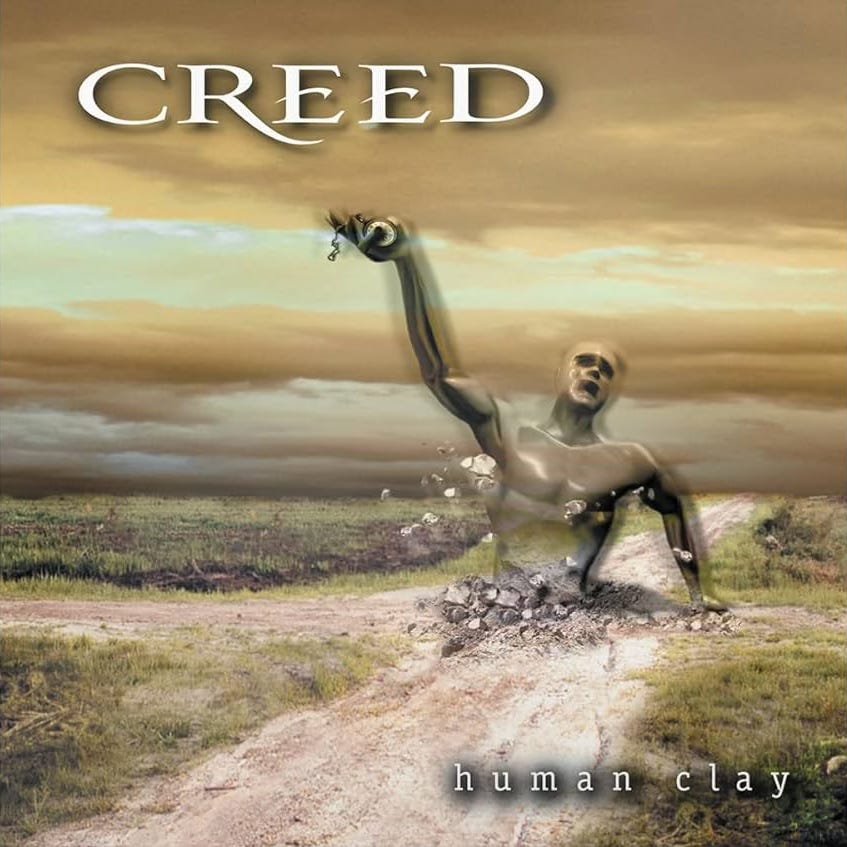
Release Date: September 28, 1999
Genre: Post-grunge, hard rock
Label: Wind-Up Records
Producer(s): John Kurzweg
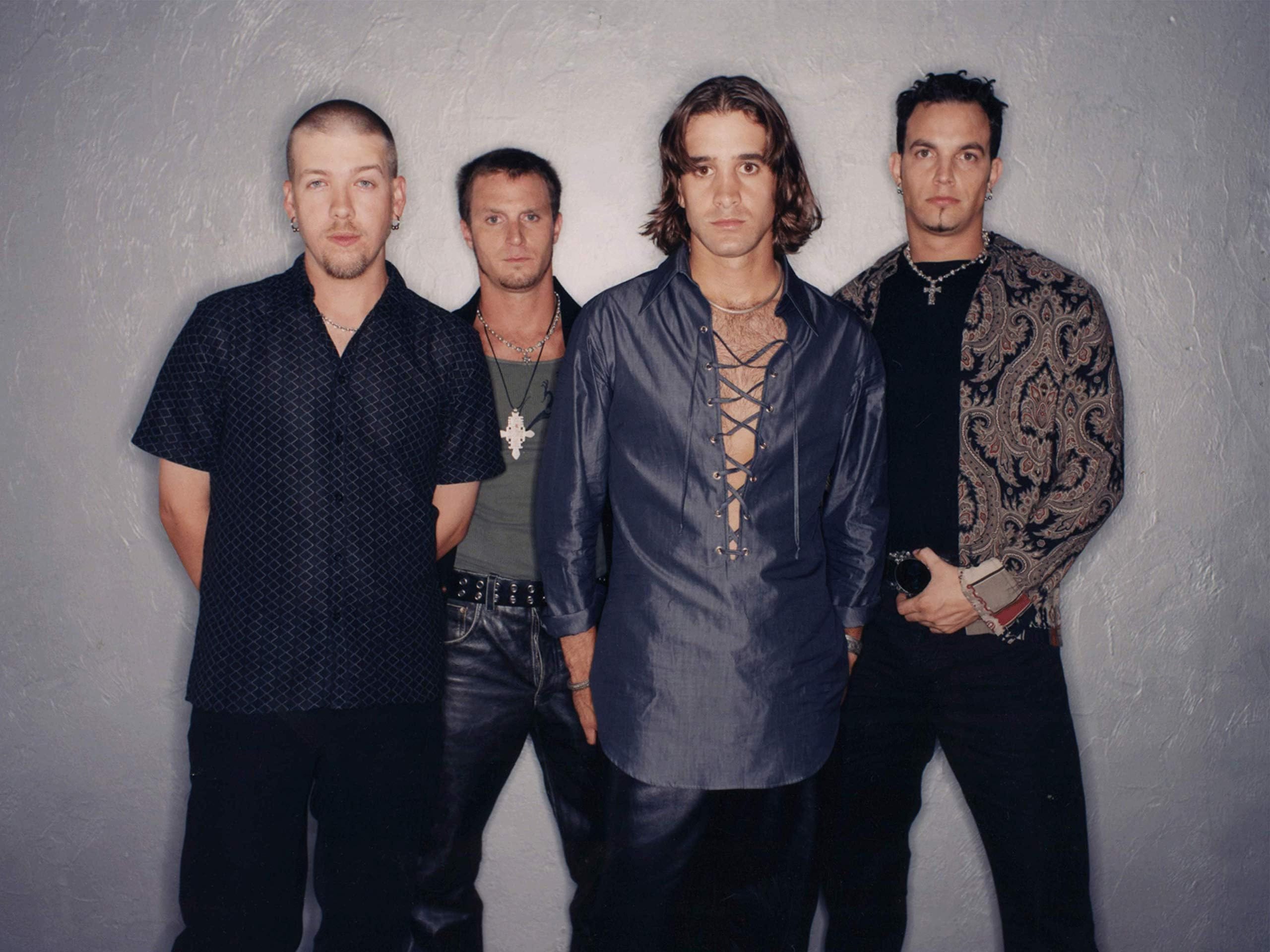
In high school, I had a couple friends who played guitar, and they would sometimes bring those guitars to class. I have fond memories of sitting with one of them on the windowsill in science class, singing along while he played songs like “Drive” and “Higher” from this album. When my sister graduated college and started her tenure with the Peace Corps, she left me some CDs, including Creed’s greatest hits collection. Considering she’d denounced most of her music taste long before then, I have no idea what she was still doing with Creed’s greatest hits.
I am acutely aware that most people who are online talking and reading about music aren’t big enjoyers of Creed. I’m also aware that this is not the kind of music my Substack readers are that interested in (y’all are here for the pop girls, don’t lie). But we don’t have to be hate-filled jerks saying Creed are the worst band ever, either. Creed had some songs. They started local, like so many other alternative bands, and their self-released first album My Own Prison caught the attention of the soon-to-be-huge hard rock label Wind-Up. They blew up big, and fast. That debut ended up going six times platinum, and this sophomore record was even bigger.
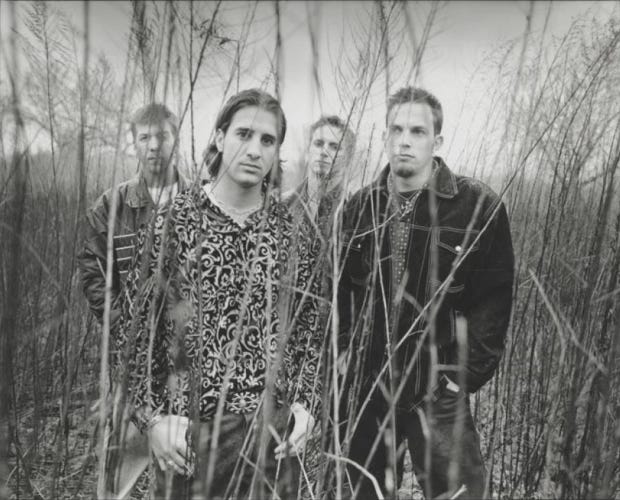
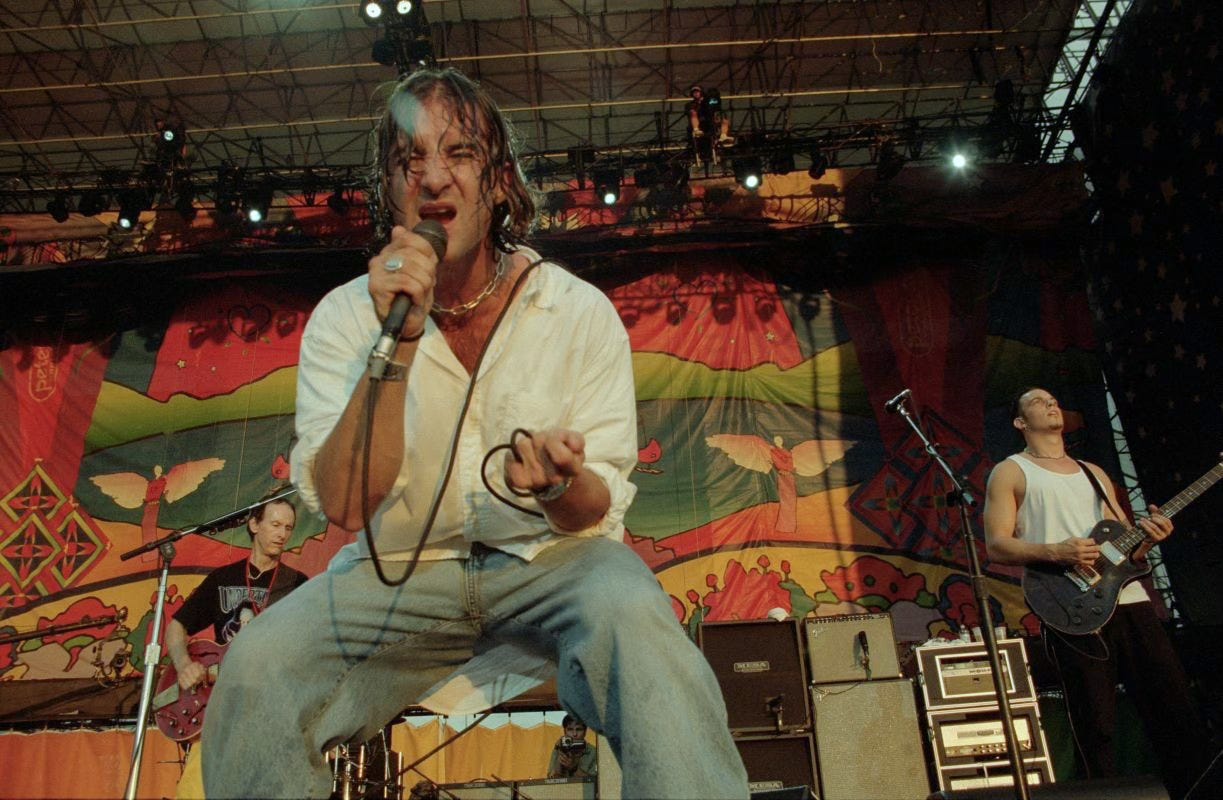
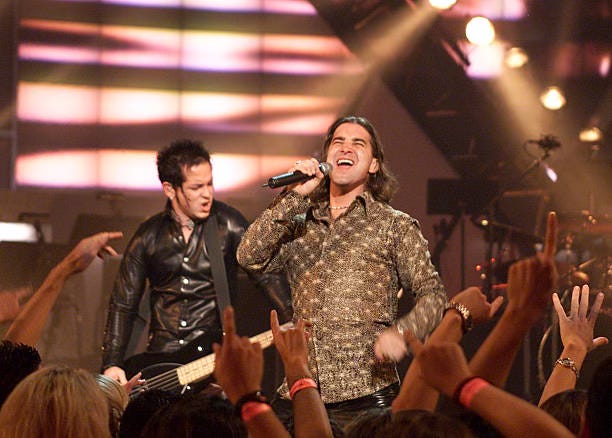
Perhaps the most famous aspect of Creed’s sound is frontman Scott Stapp’s vocals. His chesty, sometimes overwrought baritone is instantly recognizable. And yes, sometimes it sounds kind of silly. But I think that on the strongest songs, the riffs and dramatic choruses are able to rise above that. These are mostly heavy, churning tracks, which makes the sweeping, spacious hooks stand out -- not unlike Lifehouse in that regard, I would say. There are prog and metal influences in Mark Tremonti’s guitar work. And the lyrics aren't as "Jesus!" as you might think; most are about Stapp's inner angst. It’s nowhere near front-to-back, especially as all of these songs are well over four minutes long and some over five, but there are some songs worth saving, and those are generally the same ones that made it such a commercial monster.
Highlights
Favorites:
“Are You Ready” is a pretty solid opener. This kind of roaring build-up is suitable for the first track of an album, and the lyrics feel like they’re directly for the listener. I can imagine this going off in a live setting (and now I’m off to find that on YouTube).
“Beautiful” is the kind of song that arguably works best for Stapp’s voice, because he just growls and screams for half of it. It’s not really different from the other album tracks, but something about that verse has stuck in my head all these years.
“Higher” is the centerpiece of the album for me, the only song really in conversation for the best. Like several of the songs here, it starts with a twangy riff, which then fills out as the whole band comes in. But unlike most of the album, it’s brighter. Fitting its title, it ascends into a satisfying chorus and bridge rather than wallowing in sludgy guitars all the way along. It’s also one of the most religious-tinted songs here, and I think it has that uplifting quality that makes Christian rock appealing even if you aren’t Christian. There are certainly worse songs to jam to while sitting on a windowsill with your high school friends.
The three bonus tracks are all decent. Not as good as “Higher,” but good enough that they probably should have been on the main album instead of some of the dreary tracks in the middle. “Is This the End?” feels like such an obvious bookend to “Are You Ready” that I’m kind of surprised they included one without the other.
Least Favorites:
“Say I” is proof that heavier isn’t always better. Stapp’s voice takes on a raspy snarl, but the actual songwriting here is pretty thin.
By the time we get to “Never Die,” I’m just tired of the same thing over and over again. There is clearly a Creed formula, and it works a few times when applied to bangers. But when people call Creed monotonous, that’s definitely valid when so many album cuts are like this.
Final Thoughts
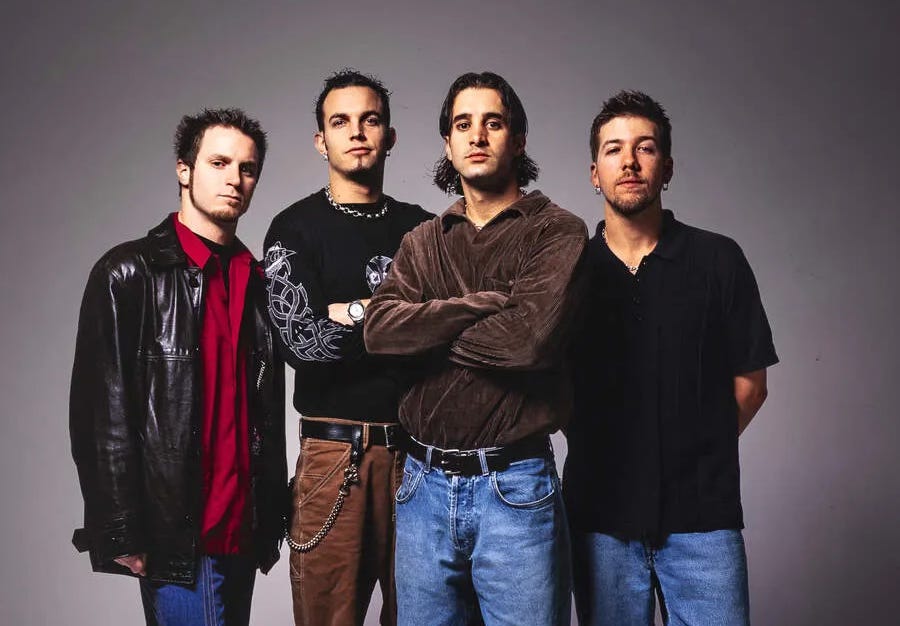
This album went eleven times platinum. Eleven times! When I first listened to this as a teenager, I did not have the language to express what I do now: Creed are a singles band, and that’s okay. They sold that much because people wanted to hear “With Arms Wide Open,” “Higher,” and “What If.” The rest of the songs really blend together, and aren’t particularly catchy nor interesting, so it’s definitely redundant to have a whole hour of them. That said, I don’t dislike them -- if these came on in the background, I would leave them, but I would probably also forget there was music on.
Last summer, I was at a bar in Virginia, and the band started playing “One Last Breath,” a Creed song from the album after this one. People all around started singing along, especially one particular group of dudebros in the front. They had their arms around each other and were absolutely going for it, clearly having the time of their lives. This somewhat surprised me at the time -- so many people shit on Creed with such vitriol that it can seem like that’s the dominant opinion. But out in the real world, these hooks and words do appeal to normal people. I don’t think I’ll write about Creed again here, but I can understand their success, and I won’t say no to those playlist-worthy hits.
Spreadsheet
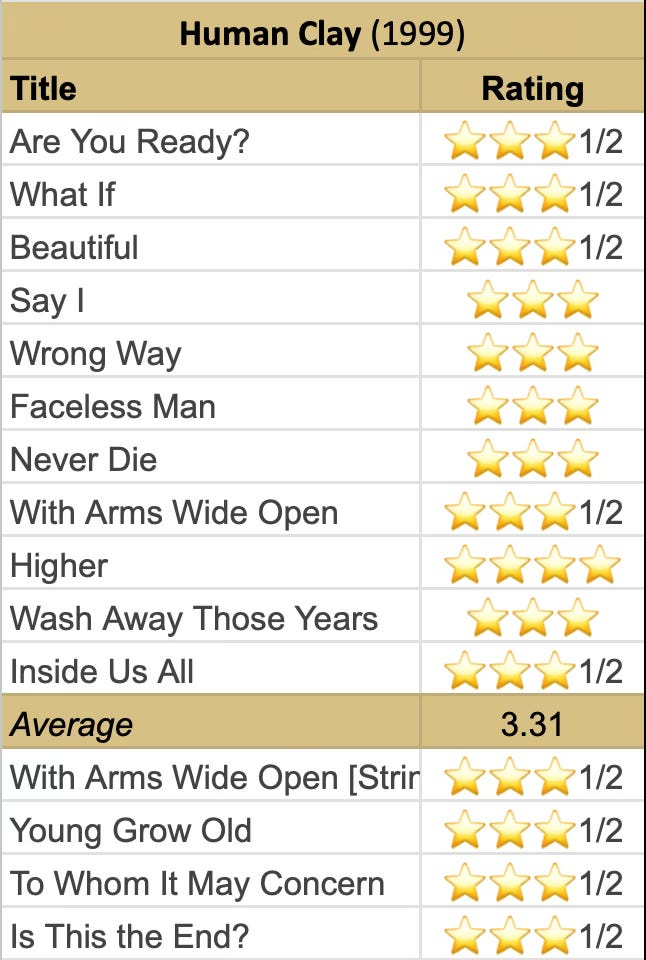
With only one good song and a few decent ones, I think this is going to get rounded down to ⭐⭐⭐.
Further Reading
(Article) Stereogum: Human Clay Turns 20
(Article) Stereogum: The Number Ones: Creed’s “With Arms Wide Open”
(Podcast) Chris DeMakes a Podcast: Mark Tremonti discusses Creed’s “Higher”
(Podcast & Article) Dig Me Out: 3 Reasons We All Misjudged Creed’s Human Clay